
Tuesday, 21 November 2017

Monday, 20 November 2017
16 Easy Ways to Maintain a Healthy Weight
There's nothing worse than being stuck in a never-ending loop of gaining weight, losing weight, and gaining it back again, only to try losing it once more. Let's stop the yo-yo madness and help you stay at the healthy weight you want to retain. No more starvation. No more endless cardio. No more epic cheat weekends. Just you being your best self and staying healthy and balanced every day.
These
tips will make it easy for you to know exactly how to maintain a healthy
weight. From diet to nutrition to the people you surround yourself with, you'll
be right on track!
1.
Find Your Support System
"Have a support system in place to keep you accountable
and motivated," says to Raphael Konforti, Youfit Health Club's national director of fitness.
"Having a personal trainer or
even friends and family that support you having a healthy life is the
difference between assistance and resistance."
2. Eat Intuitively
"Being mindful of how you eat and where you eat
can be enough to keep you on track," McKenzie Flinchum, RD, LD/N,
certified personal trainer and owner of Flexible Dietetics LLC. "Listen to hunger signals and
eat when you are hungry and stop when when you are satisfied, not full. Be mindful when eating and
avoid mindless eating such as eating in front of the television, eating while
driving or working, or picking at foods."
3. Get a Minimum of 7 Hours Sleep!

Sunday, 19 November 2017
Another success story for you
MY WEIGHT LOSS STORY
I’m a thirty-something on a journey to transform my life through healthy living. I’ve been on this journey since 2010, and I can truly say that it’s far from over.
I grew up primarily in the South enjoying all that goes with that – – biscuits and gravy and fried EVERYTHING. I now live in one of the fittest states in the country – Colorado – and am doing my part to help us keep that title.

My Weight Loss Journey
My journey is that of someone who has struggled with weight since I was a teenager. The ups and downs. Several full body transformations. This isn’t my first try at this, but I’m hopeful it’s my last.
My journey is that of someone who has struggled with weight since I was a teenager. The ups and downs. Several full body transformations. This isn’t my first try at this, but I’m hopeful it’s my last.
I’ve joined Weight Watchers more times than I care to admit. I’ve always had good intentions about how I was going to lose the extra weight I was carrying around, but my execution of said intentions was terrible. I weighed my least in 1999 when I graduated college at a mere 144 lbs (after a VERY successful round of WW), and my highest was October 2010 when I weighed in at a whopping 256 lbs.
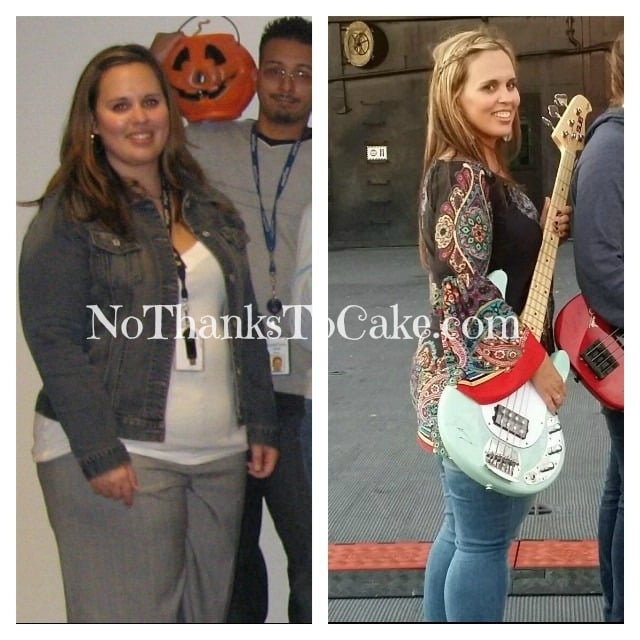
How does a young girl gain that kind of weight? I’ve read a lot about emotional eating to know that I gravitate to this indulgent world. Over time, those habits got the best of me. From eating out at restaurants nightly on business travel to fast food to too many slices of cake, I ballooned up over time. I’m only 5’5″, so 256 is well beyond any appropriate weight for my height and launches me significantly into the “obese” sector.
In October 2010, I took a picture with friends that shocked me. They say a picture speaks a thousand words; this one screamed at me that enough was enough.
Even though I’d had success on Weight Watchers in the past, I knew I needed something different this time around. I joined Jenny Craig on November 1, 2010 and was absolutely determined to lose the weight. Jenny offered me portion control and a very specific plan, which was perfect for someone like me who had spun so incredibly far out of control. I didn’t have a bank of points to eat from where I got to make a lot of choices. I had VERY specific foods that would bring me success… and they did!
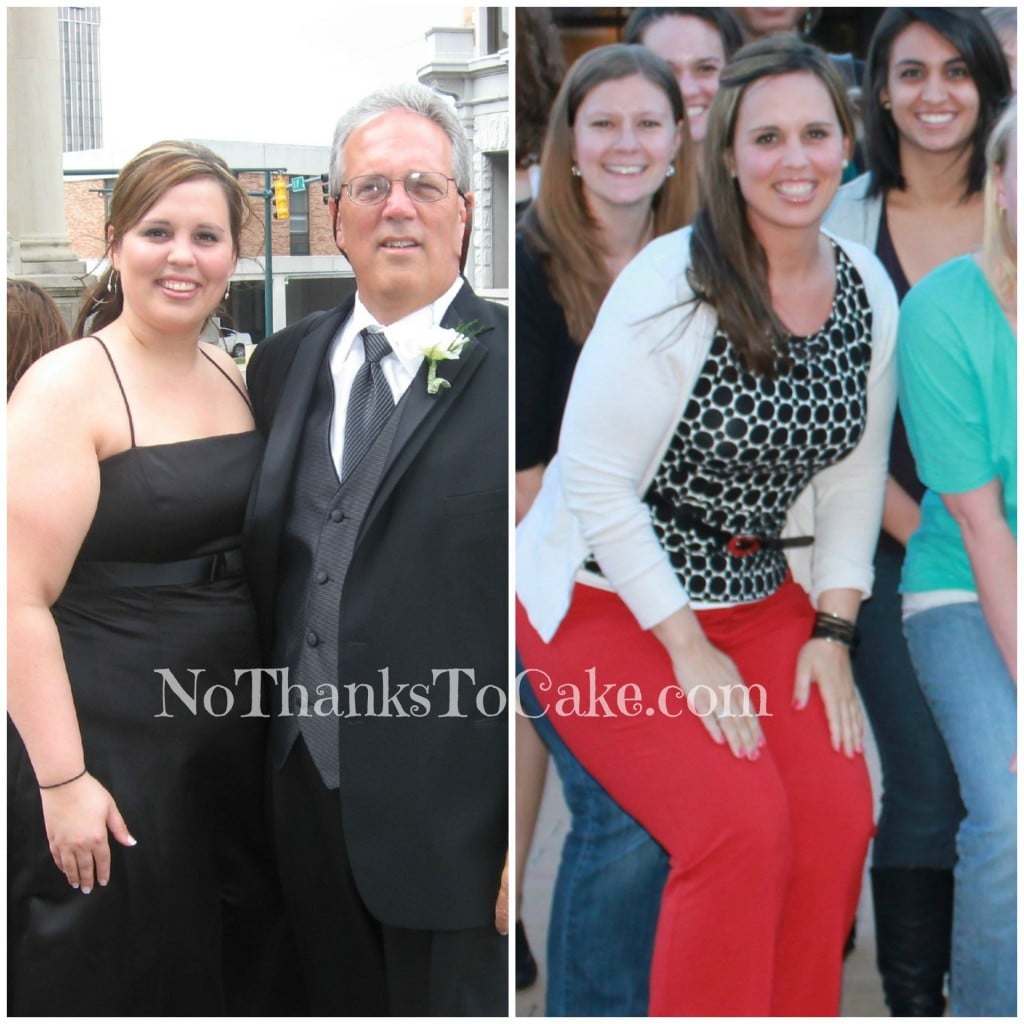
Making Better Choices
Unlike the majority of Jenny clients, I only ate about 50% Jenny Craig food. Working in sales, I was traveling about 75% of the time. This travel schedule puts me on the road, in different hotels on most nights, and often far from a freezer or microwave.
Honestly, I could have opted out of the program at this point. I could have easily made enough excuses that it justified my return to fast-food eating and overindulging. I’m so glad that I adapted the program to fit my lifestyle and that I’ve made it work. Did I mention I’m glad?
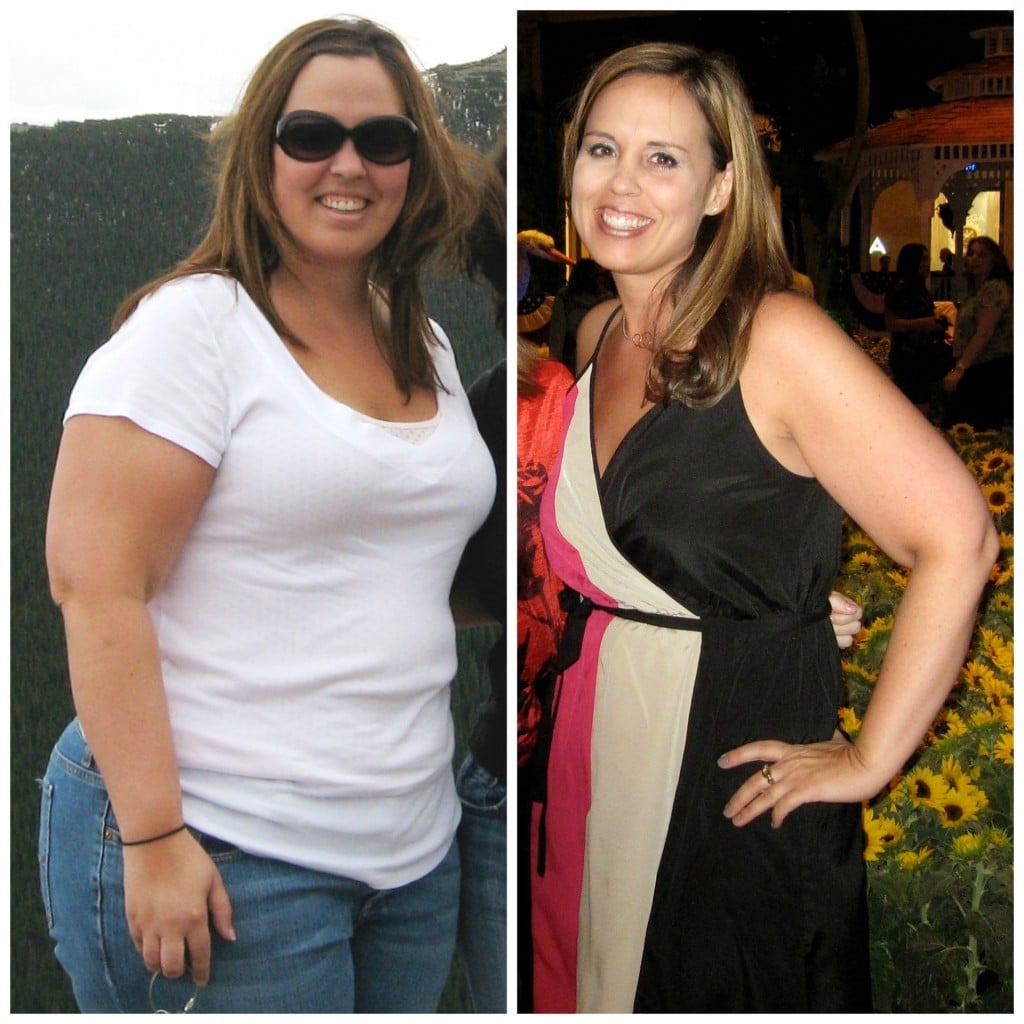
Now that I have a new job and don’t travel as much, I love to try new healthy recipes to keep me engaged in the process. Eating the same foods all of the time bores me quickly, so I often try low-fat, low-calorie recipes I find on the web or in cookbooks I pick up locally. I feature a lot of the recipes I try on this blog, so be sure to try the ones I post. I only post the ones I LOVE, of course.
Calories In, Calories Out
When I joined Jenny, I followed their plan and stuck to a 1200-1500 calories a day plan, tracking all of my food intake and exercise via MyFitnessPal.com. To this day, I still wear a FitBit daily (which syncs my steps to MyFitnessPal.) Prior to November 2010 when I joined Jenny, I was completely sedentary.

After I started to see some success, I began moving with light exercise (mostly walks around the trails near my home) and have since become a member at a local YMCA where I sweat it off several times per week. I participate in a few annual 5Ks, and I’ve become a self-proclaimed yoga-holic.
In addition to the food and exercise plan I adopted, one of my biggest support systems has come from blogging. I often call this site “the little blog that could” because I seriously never thought anyone would EVER read what I had to say. Boy, was I wrong. My readers consist primarily of fellow “losers” throughout the country who offer me the accountability and support of dear friends. I can’t thank y’all enough!

To date, I’m down more than 60 lbs, and I feel incredible. It’s amazing how easy it is to say “no thanks to cake” now that I’ve chosen healthy living.
If you’re looking for inspiration on how to lose weight, you may have found the right place. Now, I’m not someone who loves carrots and has always thought working out was fun. I’m someone who’s growing into her healthy lifestyle one day at a time.

As I always say, keep reading… the GOOD STUFF is just around the corner!
Friday, 17 November 2017
Easy Black Bean Burgers Receipe
Hello! Today is Friday and it can be Meatless Friday if you want. That’s totally a thing.
I made super easy black bean burgers tonight. I used to make veggie burgers all the time (and eat the store bought frozen ones). It’s such an easy and delicious way to get some protein in for lunch or dinner. Put these in a sandwich, tortilla or on a salad and enjoy!

Easy Black Bean Burgers Recipe
Ingredients: 1 can black beans (rinsed), 1 egg, 1/3 cup oat flour, spices
Directions: Preheat oven to 350 degrees. Smash black beans. Mix in egg and oat flour. Season with salt, pepper, garlic powder and your favorite seasonings. I used 21 seasoning salute too.
Form into patties. Bake for 15 to 20 minutes or until firm.

(I blended gluten free oats into flour to keep these gluten free. You can use flour, regular oats or bread crumbs.


I put the leftovers in baggies. I was going to freeze them but ended up eating the rest the next day.

Black bean burgers boom.

Source: Click Here
Thursday, 16 November 2017
Want to Lose Weight? You Need These Tools!
Hello! I’ve been getting a lot of questions about weight loss and intuitive eating. I know it’s probably a combination of the new year and post-holiday pounds – time to diet, right? Well, my #1 weight loss tip is to read Intuitive Eating.
Learning your body, your hunger signals and finding that balance is very challenging – especially if you’ve been dieting and/or over or under eating for a long time. So, here are some tools you can use in your weak areas to give you confidence that you are keeping a balanced diet and not gaining weight on the journey.

The Best Weight Loss Tools:
Breakfast
I am a cereal killer all the way. I will eat a whole box of cereal in one day easily (and happily). But, I shouldn’t (Boo. I hate moderation).
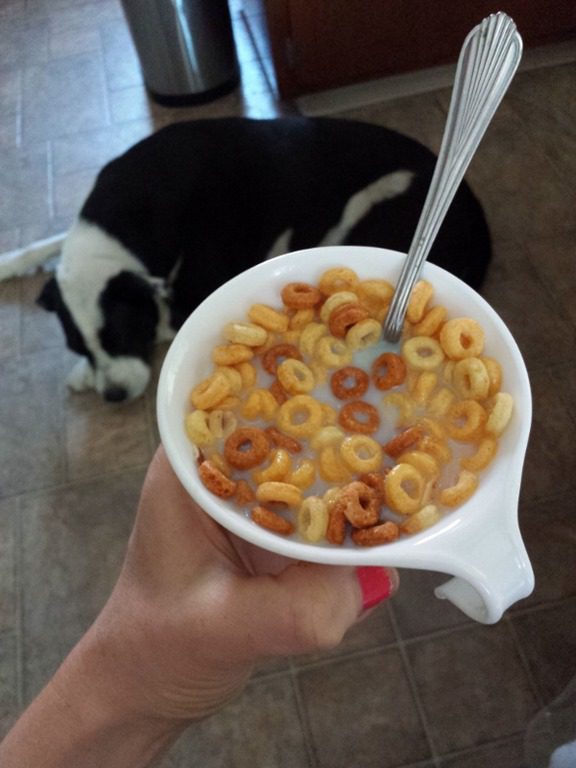
These portion control bowls are great to keep an eye on how much cereal you’re eating.
Portion Control Bowls
Or just use measuring cups to actually measure out a serving and use your favorite bowl every day. Then, fill it up to that spot in your bowl every day.

Lunch
Want to pack a healthy lunch?
Try Portion Control Lunch Box or a Portable Salad Bowl – I have one of these and used to use it when I went to school and into work.
Snacks
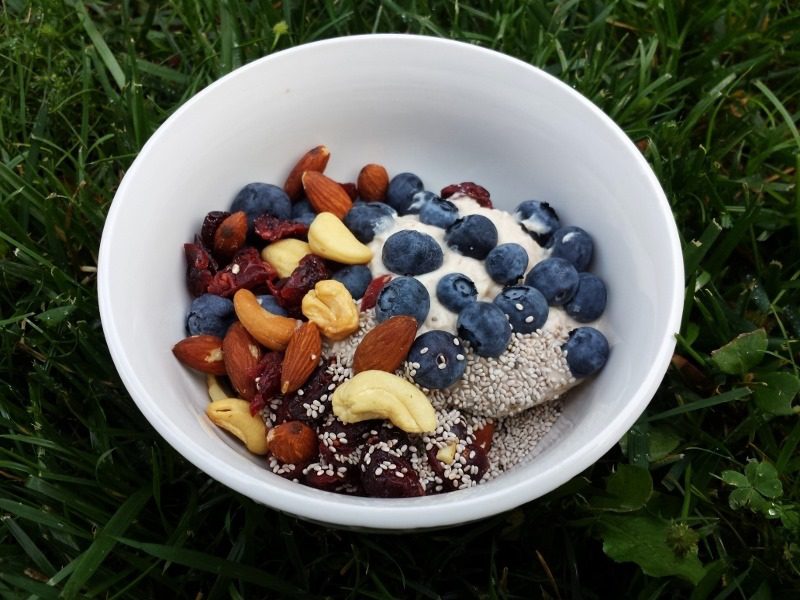
Snack time is one of my worst obstacles. Once I start I cannot stop snacking!! These portable containers are good for snacks like cut up fruit, cereal, trail mix or mini-snickers.
Pack your own ‘snack packs’ in baggies with trail mix or nuts or your favorite snack. But first weigh out a good serving size with a food scale.
Dinner
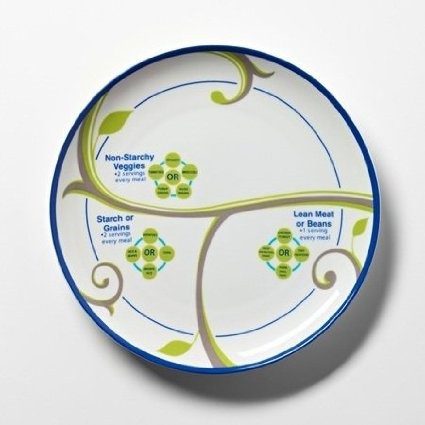
The easiest way to balance dinner is to divide your plate in half. Put vegetables on one half and 1/4 protein, 1/4 carbs on the other side.
Use portion control plate if that sounds like rocket science to you.
Serving spoons that tell you how much a serving is of vegetables, pasta and more.
Drinks and Dessert

Wine glasses with calorie count on them. This is the most genius thing in the world! I ordered these before Christmas as a lil gift to myself. I don’t plan on quitting drinking any time soon – but I don’t want to gain weight. So, this will help me keep it in check.

Question: Which of these items do you use?
Source: Click Here by Monica
Wednesday, 15 November 2017
Healthy diet means 10 portions of fruit and vegetables per day, not five
New study published by UCL recommends a doubling of 'five-a-day' diet and finds vegetables to be four times healthier than fruit

A healthy diet should include 10 portions of fruit and vegetables a day, doubling the five-a-day official advice, health experts have said.
The research, which involved a 12-year study, also found that vegetables were four times healthier than fruit.
The study, by University College London, found that eating large quantities of fruit and vegetables significantly lowered the risk of premature death. People who ate at least seven portions of fruit and vegetables each day were 42 per cent less likely to die from any cause over the course of the study.
The researchers also discovered that canned and frozen fruit increased the risk of dying by 17 per cent, and fruit juice was found to have no significant benefit.
The findings suggest that the five-a-day recommendation, suggested by the World Health Organisation and backed by the Government and NHS, is not adequate — although only 30 per cent of people even manage to eat that amount.
Experts said that even seven-a-day was not enough and that 10 would be the optimum number, as the protective effect continued to increase with higher consumption.
The study’s lead author, Dr Oyinlola Oyebode of UCL’s department of epidemiology and public health, said: “The clear message here is that the more fruit and vegetables you eat, the less likely you are to die at any age. My advice would be however much you are eating now, eat more.”
Health experts called on the Government to subsidise the cost of fruit and vegetables, which they suggested could be paid for by taxing sugary foods.
The five-a-day guidelines were based on World Health Organisation recommendations issued in 1990, which advised consuming 400g of fruit and vegetables each day to lower the risk of heart disease, stroke, type-two diabetes and obesity.
Prof Simon Capewell, of the department of public health at the University of Liverpool, said the advice should be 10 portions a day. “Humans are designed to be omnivorous: a handful of nuts, seeds, fruit and the occasional antelope. We’re not meant to be eating junk food.”
Researchers examined the eating habits of 65,000 people in England between 2001 and 2013.
They found that seven helpings a day of fruit or vegetables could reduce a person’s overall risk of premature death by 42 per cent when compared with people who ate just one whole portion.
People who ate between five and seven portions a day had a 36 per cent reduced risk of death, those who ate three to five portions had a 29 per cent decreased risk and those who ate one to three helpings had a 14 per cent reduced risk.
Those with the highest intakes were also 25 per cent less likely to die from cancer and 31 per cent less likely to die from heart disease.
“We need to urgently examine seriously the proposal to increase recommended intake to seven a day,” said Naveed Sattar, professor of metabolic medicine at the University of Glasgow. “To implement a seven-a-day message would be really challenging for many in society and would require governmental support such as subsidising the cost of fruit and vegetables, perhaps by taxing sugar-rich foods.”
The study also found that vegetables were far more beneficial than fruit. Each portion of vegetables lowered the risk of death by 16 per cent. However, each piece of fruit only lowered the chance of death by 4 per cent.
The authors said the findings lent support to the Australian government’s advice of “two plus five” a day, which encourages people to eat two helpings of fruit and five of vegetables. Dr Alison Tedstone, Director of Diet and Obesity/Chief Nutritionist from Public Health England said: “Our focus remains on increasing overall consumption of fruit and vegetables to meet current recommendations.”
The study was published in the Journal of Epidemiology and Community Health.
Source By Sarah Knapton, Science Correspondent, The Telegraph
A healthy diet should include 10 portions of fruit and vegetables a day, doubling the five-a-day official advice, health experts have said.
The research, which involved a 12-year study, also found that vegetables were four times healthier than fruit.
The study, by University College London, found that eating large quantities of fruit and vegetables significantly lowered the risk of premature death. People who ate at least seven portions of fruit and vegetables each day were 42 per cent less likely to die from any cause over the course of the study.
The researchers also discovered that canned and frozen fruit increased the risk of dying by 17 per cent, and fruit juice was found to have no significant benefit.
The findings suggest that the five-a-day recommendation, suggested by the World Health Organisation and backed by the Government and NHS, is not adequate — although only 30 per cent of people even manage to eat that amount.
Experts said that even seven-a-day was not enough and that 10 would be the optimum number, as the protective effect continued to increase with higher consumption.
The study’s lead author, Dr Oyinlola Oyebode of UCL’s department of epidemiology and public health, said: “The clear message here is that the more fruit and vegetables you eat, the less likely you are to die at any age. My advice would be however much you are eating now, eat more.”
Health experts called on the Government to subsidise the cost of fruit and vegetables, which they suggested could be paid for by taxing sugary foods.
The five-a-day guidelines were based on World Health Organisation recommendations issued in 1990, which advised consuming 400g of fruit and vegetables each day to lower the risk of heart disease, stroke, type-two diabetes and obesity.
Prof Simon Capewell, of the department of public health at the University of Liverpool, said the advice should be 10 portions a day. “Humans are designed to be omnivorous: a handful of nuts, seeds, fruit and the occasional antelope. We’re not meant to be eating junk food.”
Researchers examined the eating habits of 65,000 people in England between 2001 and 2013.
They found that seven helpings a day of fruit or vegetables could reduce a person’s overall risk of premature death by 42 per cent when compared with people who ate just one whole portion.
People who ate between five and seven portions a day had a 36 per cent reduced risk of death, those who ate three to five portions had a 29 per cent decreased risk and those who ate one to three helpings had a 14 per cent reduced risk.
Those with the highest intakes were also 25 per cent less likely to die from cancer and 31 per cent less likely to die from heart disease.
“We need to urgently examine seriously the proposal to increase recommended intake to seven a day,” said Naveed Sattar, professor of metabolic medicine at the University of Glasgow. “To implement a seven-a-day message would be really challenging for many in society and would require governmental support such as subsidising the cost of fruit and vegetables, perhaps by taxing sugar-rich foods.”
The study also found that vegetables were far more beneficial than fruit. Each portion of vegetables lowered the risk of death by 16 per cent. However, each piece of fruit only lowered the chance of death by 4 per cent.
The authors said the findings lent support to the Australian government’s advice of “two plus five” a day, which encourages people to eat two helpings of fruit and five of vegetables. Dr Alison Tedstone, Director of Diet and Obesity/Chief Nutritionist from Public Health England said: “Our focus remains on increasing overall consumption of fruit and vegetables to meet current recommendations.”
The study was published in the Journal of Epidemiology and Community Health.
Source By Sarah Knapton, Science Correspondent, The Telegraph
The research, which involved a 12-year study, also found that vegetables were four times healthier than fruit.
The study, by University College London, found that eating large quantities of fruit and vegetables significantly lowered the risk of premature death. People who ate at least seven portions of fruit and vegetables each day were 42 per cent less likely to die from any cause over the course of the study.
The researchers also discovered that canned and frozen fruit increased the risk of dying by 17 per cent, and fruit juice was found to have no significant benefit.
The findings suggest that the five-a-day recommendation, suggested by the World Health Organisation and backed by the Government and NHS, is not adequate — although only 30 per cent of people even manage to eat that amount.
Experts said that even seven-a-day was not enough and that 10 would be the optimum number, as the protective effect continued to increase with higher consumption.
The study’s lead author, Dr Oyinlola Oyebode of UCL’s department of epidemiology and public health, said: “The clear message here is that the more fruit and vegetables you eat, the less likely you are to die at any age. My advice would be however much you are eating now, eat more.”
Health experts called on the Government to subsidise the cost of fruit and vegetables, which they suggested could be paid for by taxing sugary foods.
The five-a-day guidelines were based on World Health Organisation recommendations issued in 1990, which advised consuming 400g of fruit and vegetables each day to lower the risk of heart disease, stroke, type-two diabetes and obesity.
Prof Simon Capewell, of the department of public health at the University of Liverpool, said the advice should be 10 portions a day. “Humans are designed to be omnivorous: a handful of nuts, seeds, fruit and the occasional antelope. We’re not meant to be eating junk food.”
Researchers examined the eating habits of 65,000 people in England between 2001 and 2013.
They found that seven helpings a day of fruit or vegetables could reduce a person’s overall risk of premature death by 42 per cent when compared with people who ate just one whole portion.
People who ate between five and seven portions a day had a 36 per cent reduced risk of death, those who ate three to five portions had a 29 per cent decreased risk and those who ate one to three helpings had a 14 per cent reduced risk.
Those with the highest intakes were also 25 per cent less likely to die from cancer and 31 per cent less likely to die from heart disease.
“We need to urgently examine seriously the proposal to increase recommended intake to seven a day,” said Naveed Sattar, professor of metabolic medicine at the University of Glasgow. “To implement a seven-a-day message would be really challenging for many in society and would require governmental support such as subsidising the cost of fruit and vegetables, perhaps by taxing sugar-rich foods.”
The study also found that vegetables were far more beneficial than fruit. Each portion of vegetables lowered the risk of death by 16 per cent. However, each piece of fruit only lowered the chance of death by 4 per cent.
The authors said the findings lent support to the Australian government’s advice of “two plus five” a day, which encourages people to eat two helpings of fruit and five of vegetables. Dr Alison Tedstone, Director of Diet and Obesity/Chief Nutritionist from Public Health England said: “Our focus remains on increasing overall consumption of fruit and vegetables to meet current recommendations.”
The study was published in the Journal of Epidemiology and Community Health.
Source By Sarah Knapton, Science Correspondent, The Telegraph
9 Delicious Vegan-Friendly Dinners
They test so great and are healthy ways of losing weight.
Check it out!
Tuesday, 14 November 2017
Monday, 13 November 2017
Nutrition and weightloss boot camps
Nutrition and weightloss boot camps should go hand in hand. Relearning healthy habits is important when trying to lose weight.
Proper nutrition can be confusing. You may think you already eat healthy foods but have you ever read the labels of the things that you eat? Let's just say that a typical day for you starts out cold cereal for breakfast. Is that all you eat? Do you know the correct serving size? You do if you have read the label.
The usual serving size is one cup of cereal and one cup of milk. Calorie count is probably close to 230 calories per serving. There is some protein in the milk you poured over your cereal but most of what you have just eaten is processed carbohydrates, the bad kind.
Bad because they spike your blood sugar and if you don't burn it off immediately your body will store it as fat around your middle. The sugar content of these cereals is high.

Most "healthy" cereals have some type of sugar added to them because if they didn't, you would not be able to eat them, they would taste terrible. Check the labels.
Nutrition and weightloss boot camps should have some sort of "class" to teach their clients about proper nutrition and how to keep up the new, healthy eating habits you learn during your stay at the camp.
There is no sense spending thousands of dollars at one of these camps losing the weight if you do not make the lifestyle changes you need to make. You will only succeed in putting the weight right back on when you come home.
That's right, I said thousands of dollars. A typical one month stay can run you anywhere between $7,000.00 to $18,000.00 depending on where you choose to stay. Do the comparisons on your own, losing weight is big business.
Most if not all of the nutrients we put in our bodies should come from fresh foods. Processed foods came about only as a matter of convenience. No one knew at the time that people would come to rely on processed foods to feed their families after a busy day at the office.
Bad carbs are one of the biggest culprits in this country being as morbidly obese as it is. You may think you are eating healthy but if you were to stop and count the carbs you eat in one day you would see the correlation between that bad carb consumption and the fact that you cannot lose the weight and in fact keep on gaining weight.
You must re-learn how to eat if you are going to lose the excess weight you are carrying around. Find a camp that will help you re-learn how to shop and make tasty healthy meals for yourself and your family.
Nutrition and weightloss boot camps focus should be on, not only losing the weight and making lifestyle changes, but making sure that their clients can sustain that weight loss and lifestyle change after they return home.
Source: http://keepthatweightoff.blogspot.co.uk/2017/10/nutrition-and-weightloss-boot-camp.html
Proper nutrition can be confusing. You may think you already eat healthy foods but have you ever read the labels of the things that you eat? Let's just say that a typical day for you starts out cold cereal for breakfast. Is that all you eat? Do you know the correct serving size? You do if you have read the label.
The usual serving size is one cup of cereal and one cup of milk. Calorie count is probably close to 230 calories per serving. There is some protein in the milk you poured over your cereal but most of what you have just eaten is processed carbohydrates, the bad kind.
Bad because they spike your blood sugar and if you don't burn it off immediately your body will store it as fat around your middle. The sugar content of these cereals is high.
Most "healthy" cereals have some type of sugar added to them because if they didn't, you would not be able to eat them, they would taste terrible. Check the labels.
Nutrition and weightloss boot camps should have some sort of "class" to teach their clients about proper nutrition and how to keep up the new, healthy eating habits you learn during your stay at the camp.
There is no sense spending thousands of dollars at one of these camps losing the weight if you do not make the lifestyle changes you need to make. You will only succeed in putting the weight right back on when you come home.
That's right, I said thousands of dollars. A typical one month stay can run you anywhere between $7,000.00 to $18,000.00 depending on where you choose to stay. Do the comparisons on your own, losing weight is big business.
Most if not all of the nutrients we put in our bodies should come from fresh foods. Processed foods came about only as a matter of convenience. No one knew at the time that people would come to rely on processed foods to feed their families after a busy day at the office.
Bad carbs are one of the biggest culprits in this country being as morbidly obese as it is. You may think you are eating healthy but if you were to stop and count the carbs you eat in one day you would see the correlation between that bad carb consumption and the fact that you cannot lose the weight and in fact keep on gaining weight.
You must re-learn how to eat if you are going to lose the excess weight you are carrying around. Find a camp that will help you re-learn how to shop and make tasty healthy meals for yourself and your family.
Nutrition and weightloss boot camps focus should be on, not only losing the weight and making lifestyle changes, but making sure that their clients can sustain that weight loss and lifestyle change after they return home.
Source: http://keepthatweightoff.blogspot.co.uk/2017/10/nutrition-and-weightloss-boot-camp.html
Pumpkin pie mousse (low-carb and vegan!)
Vegan Pumpkin Pie Mousse

So back to this: it’s pumpkin blended with a little sweetness, said cashews, a little healthy fat from MCT oil, and some spice. Basically, it’s like eating nuts and vegetables, but it tastes like PIE. I know, right?!
Ingredients
- 1 cup raw cashews, soaked in water overnight and drained
- 1/2 cup pumpkin puree
- 2 tablespoons MCT oil (or liquid coconut oil)
- 1/4 teaspoon pumpkin pie spice
- Pinch of sea salt
- 1/2 teaspoon vanilla
- 1/4 cup maple syrup
Instructions
- Blend all ingredients in a high-speed blender or food processor until smooth.
- Serve immediately, topped with a sprinkle of pumpkin pie spice or crumble gingersnap cookies.
- Source: Click Here
Ingredients
- 1 cup raw cashews, soaked in water overnight and drained
- 1/2 cup pumpkin puree
- 2 tablespoons MCT oil (or liquid coconut oil)
- 1/4 teaspoon pumpkin pie spice
- Pinch of sea salt
- 1/2 teaspoon vanilla
- 1/4 cup maple syrup
Instructions
- Blend all ingredients in a high-speed blender or food processor until smooth.
- Serve immediately, topped with a sprinkle of pumpkin pie spice or crumble gingersnap cookies.
- Source: Click Here
Sunday, 12 November 2017
Cultivating Discipline When Motivation Runs Out
We have all felt that rush when we wake up on the Monday morning of our new diet — that feeling of total confidence, excitement, and motivation to change our life and re-route all our bad habits to new, better ones. We feel like rock stars, going through the day passing up snacks and going for a second walk on the treadmill just because we feel like it. We cruise through day two and even day three. And then on day four…after a tough day at work, we skip the treadmill. On day five, we grab a scone with our morning coffee at Starbucks and throw our bagged lunch away and go out with our co-workers — and great misery-loves-company news! They all did the exact same thing. By the end of the week we’re back to our old habits and have come to the conclusion that, yet again, maybe we just weren’t motivated enough.
Motivation is a wonderful and powerful tool, but it’s never going to be enough to sustain real, lasting change. Why?

Because motivation only helps create the spark to start–it’s discipline that fuels the journey.
Motivation relies on an inside-out method of problem-solving. You wait for the right mood or emotional state to give you the courage to tackle your issues. The problem? Moods are unpredictable and inconsistent and emotional states are usually fleeting. Unlike motivation, discipline uses an outside-in method. You do the work despite your mood and inner turmoil, and as you get closer to your goal, your inner mood will change. You don’t wait until you’re stronger to begin lifting weights, you begin lifting weights to get stronger. Moving toward a discipline-approach helps those of us who procrastinate and who have kinda-sorta been known to make excuses. I was exhausted OK?!
I struggle with implementing this philosophy. You have no doubt noticed the weeks (and months) at a time where this blog that I love goes without an update. I used to think I needed to wait for the mood to strike me to write a post or create a new recipe. But, because of my depression, that mood may not come…for months. Early last summer, I started trying to do at least some work on the blog every day. And I didn’t always feel like it, but still I knew I had enough energy to push through and get something done. I was trying to cultivate discipline while my motivation was low. For all of us, beginning the work is hard — sometimes excruciating — but once you begin to see results you get a sense of accomplishment. It isn’t a cure-all for low mood or motivation but it’s a whole lot better than the oppressive gravity of shame and guilt.
Do what you need to get done, every day. Don’t feel like doing it? Do it anyway. Don’t think you can do it? Try anyway. Work those muscles required to accomplish your goals even when you don’t feel like it, and over time, it becomes easier. Big changes are hard and scary and you’re programmed to avoid things that are hard and scary. But eventually, you (and I) are going to have to do the work, so start now.
Source: Andie Mitchell at Click here
Subscribe to:
Posts (Atom)