
Showing posts with label calories. Show all posts
Showing posts with label calories. Show all posts
Tuesday, 2 January 2018

Saturday, 16 December 2017
The 8 Healthiest Beans and Legumes You Can Eat
Beans and legumes are
the fruits or seeds of a family of plants called Fabaceae. They
are commonly eaten around the world and are a rich source of fiber and B
vitamins.
They are also a great
replacement for meat as a source of vegetarian protein.
They are excellent
sources of dietary fiber, protein, B vitamins and many other important vitamins
and minerals. There is good evidence that they can help reduce blood sugar,
improve cholesterol levels and help maintain a healthy gut.
Not only that, but eating more beans and legumes as a source of protein instead of meat is environmentally friendly.
Add them to soups, stews and salads, or just eat them on their own for a nutritious vegetarian meal. Lets review them in details in the posts coming up this week.
Not only that, but eating more beans and legumes as a source of protein instead of meat is environmentally friendly.
Add them to soups, stews and salads, or just eat them on their own for a nutritious vegetarian meal. Lets review them in details in the posts coming up this week.
1. Chickpeas
Also known as garbanzo beans, chickpeas are a great source of fiber and protein.
Many scientific studies have shown that beans and legumes such as chickpeas can help reduce weight, risk factors for heart disease and potentially even the risk of cancer, especially when they replace red meat in the diet.
One cup (164 grams) of cooked chickpeas contains roughly:
- Calories: 269
- Protein: 14.5 grams
- Fiber: 12.5 grams
- Folate (vitamin B9): 71% of the RDI
- Manganese: 84% of the RDI
- Copper: 29% of the RDI
- Iron: 26% of the RDI
Chickpeas are particularly beneficial at reducing blood sugar and increasing insulin sensitivity when compared with other high-carb foods.
In a study of 19 women, those who ate a meal containing 1.7 ounces (50 grams) of chickpeas had significantly lower blood sugar and insulin levels than those who ate the same amount of white bread or other wheat-containing foods.
Similarly, another study of 45 people showed that eating 26 ounces (728 grams) of chickpeas per week for 12 weeks significantly reduced insulin levels.
Eating chickpeas may also improve blood cholesterol levels.
A number of studies have shown that chickpeas can reduce both total cholesterol and “bad” low-density-lipoprotein (LDL) cholesterol, which are risk factors for heart disease.
Your gut and the beneficial bacteria within it play an important role in many aspects of your health, so eating foods that contain gut-friendly fiber is extremely beneficial.
A number of studies have shown that diets containing chickpeas may also help improve bowel function and reduce the number of bad bacteria in the intestines .
SUMMARYChickpeas are a great source of fiber and folate, and they’re also low in calories. They can help reduce blood sugar, decrease blood cholesterol and improve gut health.Source: Click by Brianna Elliott
Sunday, 10 December 2017
Saturday, 9 December 2017
Friday, 8 December 2017
Friday, 1 December 2017
The Amount of Carbs Is Also Important
The rate at which foods raise blood sugar levels depends on three factors: the type of carb they contain, their nutrient composition and the amount you eat.
However, the GI is a relative measure that doesn’t take into account the amount of food eaten. It’s often criticized for this reason.
To solve this, the glycemic load (GL) rating was developed.
The GL is a measure of how a carbohydrate affects blood sugar levels, taking both the type (GI) and quantity (grams per serving) into account.
Like the GI, the GL has three classifications:
- Low: 10 or less
- Medium: 11–19
- High: 20 or more
The GI is still the most important factor to consider when following the low-GI diet. However, the Glycemic Index Foundation, an Australian organization raising awareness about the low-GI diet, recommends that people also monitor their GL.
It recommends that people aim to keep their total daily GL under 100.
You can use this database to find the GI and GL of common foods.
Otherwise, the easiest way to aim for a GL under 100 is to choose low-GI foods when possible and consume them in moderation.
SUMMARY:The glycemic load (GL) is a measure of the type and quantity of carbs you eat. When following the low-GI diet, it is recommended to keep your daily GL under 100.
Low-GI Diet and Diabetes
Diabetes is a complex disease that affects millions of people worldwide.
Those who have diabetes are unable to process sugars effectively, which can make it difficult to maintain healthy blood sugar levels.
However, good blood sugar control helps prevent and delay the onset of complications, including heart disease, stroke and damage to the nerves and kidneys .
A number of studies suggest that low-GI diets are effective at reducing blood sugar levels in people with diabetes.
One study in nearly 3,000 people with diabetes looked at the effects of low- and high-GI diets on participants’ levels of glycated hemoglobin (HbA1c). Levels of this molecule are an average measure of blood sugar levels over a three-month period.
The study revealed that HbA1c levels were 6–11% lower in those consuming the lowest-GI diets (GI 58–79), compared to those consuming the highest-GI diets (GI 86–112). In other words, the lower-GI diets were associated with lower blood sugar levels over the long term.
What’s more, a number of studies have reported that higher-GI diets may increase the risk of type 2 diabetes by 8–40%.
A systematic review of 24 studies reported that for every five GI points, the risk of developing type 2 diabetes increased by 8%.
The low-GI diet may also improve pregnancy outcomes in women with gestational diabetes mellitus (GDM), a form of diabetes that occurs during pregnancy.
A low-GI diet has been shown to reduce the risk of macrosomia by 73%. This is a condition in which newborns have a birth weight over 8 pounds and 13 ounces, and it’s associated with numerous short- and long-term complications for the mother and baby.
SUMMARY:The low-GI diet appears to be effective at reducing blood sugar levels in people with diabetes. Diets higher in GI have also been associated with an increased risk of type 2 diabetes.Source: Link by Daisy Coyle
Tuesday, 28 November 2017
Sunday, 19 November 2017
Another success story for you
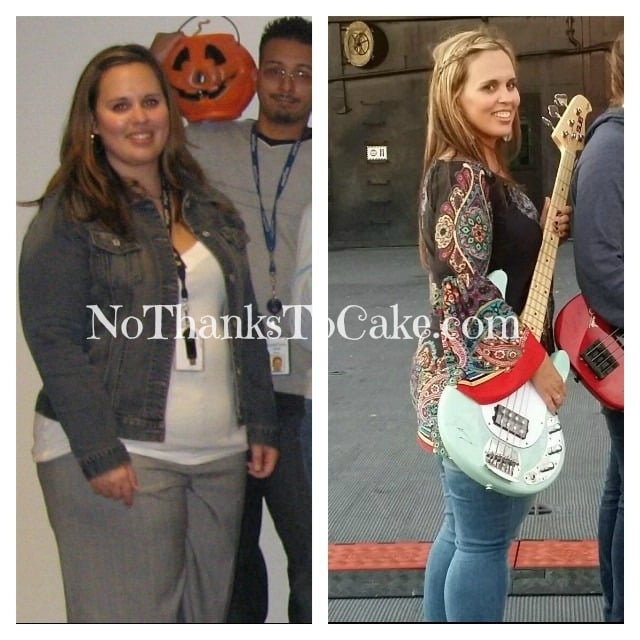
MY WEIGHT LOSS STORY
I’m a thirty-something on a journey to transform my life through healthy living. I’ve been on this journey since 2010, and I can truly say that it’s far from over.
I grew up primarily in the South enjoying all that goes with that – – biscuits and gravy and fried EVERYTHING. I now live in one of the fittest states in the country – Colorado – and am doing my part to help us keep that title.

My Weight Loss Journey
My journey is that of someone who has struggled with weight since I was a teenager. The ups and downs. Several full body transformations. This isn’t my first try at this, but I’m hopeful it’s my last.
My journey is that of someone who has struggled with weight since I was a teenager. The ups and downs. Several full body transformations. This isn’t my first try at this, but I’m hopeful it’s my last.
I’ve joined Weight Watchers more times than I care to admit. I’ve always had good intentions about how I was going to lose the extra weight I was carrying around, but my execution of said intentions was terrible. I weighed my least in 1999 when I graduated college at a mere 144 lbs (after a VERY successful round of WW), and my highest was October 2010 when I weighed in at a whopping 256 lbs.
How does a young girl gain that kind of weight? I’ve read a lot about emotional eating to know that I gravitate to this indulgent world. Over time, those habits got the best of me. From eating out at restaurants nightly on business travel to fast food to too many slices of cake, I ballooned up over time. I’m only 5’5″, so 256 is well beyond any appropriate weight for my height and launches me significantly into the “obese” sector.
In October 2010, I took a picture with friends that shocked me. They say a picture speaks a thousand words; this one screamed at me that enough was enough.
Even though I’d had success on Weight Watchers in the past, I knew I needed something different this time around. I joined Jenny Craig on November 1, 2010 and was absolutely determined to lose the weight. Jenny offered me portion control and a very specific plan, which was perfect for someone like me who had spun so incredibly far out of control. I didn’t have a bank of points to eat from where I got to make a lot of choices. I had VERY specific foods that would bring me success… and they did!

Making Better Choices
Unlike the majority of Jenny clients, I only ate about 50% Jenny Craig food. Working in sales, I was traveling about 75% of the time. This travel schedule puts me on the road, in different hotels on most nights, and often far from a freezer or microwave.
Honestly, I could have opted out of the program at this point. I could have easily made enough excuses that it justified my return to fast-food eating and overindulging. I’m so glad that I adapted the program to fit my lifestyle and that I’ve made it work. Did I mention I’m glad?
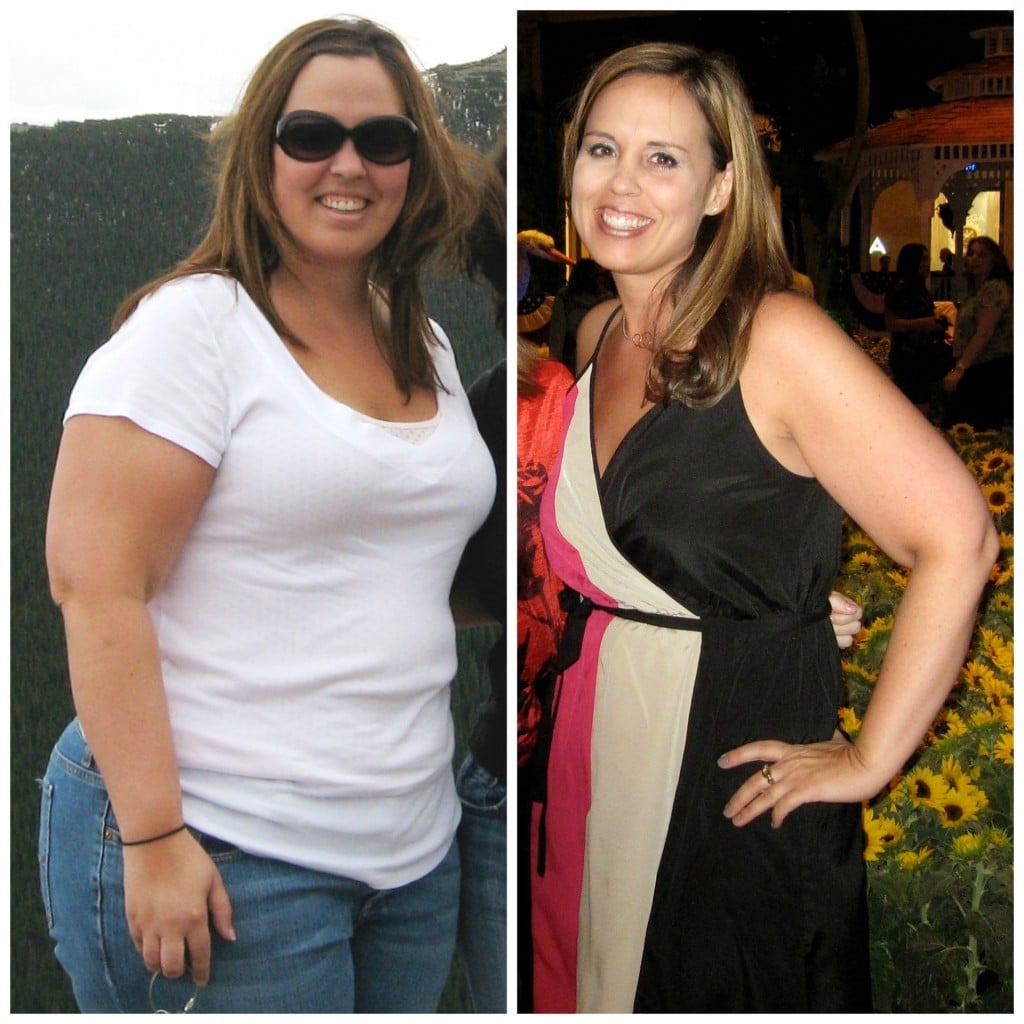
Now that I have a new job and don’t travel as much, I love to try new healthy recipes to keep me engaged in the process. Eating the same foods all of the time bores me quickly, so I often try low-fat, low-calorie recipes I find on the web or in cookbooks I pick up locally. I feature a lot of the recipes I try on this blog, so be sure to try the ones I post. I only post the ones I LOVE, of course.
Calories In, Calories Out
When I joined Jenny, I followed their plan and stuck to a 1200-1500 calories a day plan, tracking all of my food intake and exercise via MyFitnessPal.com. To this day, I still wear a FitBit daily (which syncs my steps to MyFitnessPal.) Prior to November 2010 when I joined Jenny, I was completely sedentary.

After I started to see some success, I began moving with light exercise (mostly walks around the trails near my home) and have since become a member at a local YMCA where I sweat it off several times per week. I participate in a few annual 5Ks, and I’ve become a self-proclaimed yoga-holic.
In addition to the food and exercise plan I adopted, one of my biggest support systems has come from blogging. I often call this site “the little blog that could” because I seriously never thought anyone would EVER read what I had to say. Boy, was I wrong. My readers consist primarily of fellow “losers” throughout the country who offer me the accountability and support of dear friends. I can’t thank y’all enough!

To date, I’m down more than 60 lbs, and I feel incredible. It’s amazing how easy it is to say “no thanks to cake” now that I’ve chosen healthy living.
If you’re looking for inspiration on how to lose weight, you may have found the right place. Now, I’m not someone who loves carrots and has always thought working out was fun. I’m someone who’s growing into her healthy lifestyle one day at a time.

As I always say, keep reading… the GOOD STUFF is just around the corner!
Monday, 13 November 2017
Nutrition and weightloss boot camps
Nutrition and weightloss boot camps should go hand in hand. Relearning healthy habits is important when trying to lose weight.
Proper nutrition can be confusing. You may think you already eat healthy foods but have you ever read the labels of the things that you eat? Let's just say that a typical day for you starts out cold cereal for breakfast. Is that all you eat? Do you know the correct serving size? You do if you have read the label.
The usual serving size is one cup of cereal and one cup of milk. Calorie count is probably close to 230 calories per serving. There is some protein in the milk you poured over your cereal but most of what you have just eaten is processed carbohydrates, the bad kind.
Bad because they spike your blood sugar and if you don't burn it off immediately your body will store it as fat around your middle. The sugar content of these cereals is high.

Most "healthy" cereals have some type of sugar added to them because if they didn't, you would not be able to eat them, they would taste terrible. Check the labels.
Nutrition and weightloss boot camps should have some sort of "class" to teach their clients about proper nutrition and how to keep up the new, healthy eating habits you learn during your stay at the camp.
There is no sense spending thousands of dollars at one of these camps losing the weight if you do not make the lifestyle changes you need to make. You will only succeed in putting the weight right back on when you come home.
That's right, I said thousands of dollars. A typical one month stay can run you anywhere between $7,000.00 to $18,000.00 depending on where you choose to stay. Do the comparisons on your own, losing weight is big business.
Most if not all of the nutrients we put in our bodies should come from fresh foods. Processed foods came about only as a matter of convenience. No one knew at the time that people would come to rely on processed foods to feed their families after a busy day at the office.
Bad carbs are one of the biggest culprits in this country being as morbidly obese as it is. You may think you are eating healthy but if you were to stop and count the carbs you eat in one day you would see the correlation between that bad carb consumption and the fact that you cannot lose the weight and in fact keep on gaining weight.
You must re-learn how to eat if you are going to lose the excess weight you are carrying around. Find a camp that will help you re-learn how to shop and make tasty healthy meals for yourself and your family.
Nutrition and weightloss boot camps focus should be on, not only losing the weight and making lifestyle changes, but making sure that their clients can sustain that weight loss and lifestyle change after they return home.
Source: http://keepthatweightoff.blogspot.co.uk/2017/10/nutrition-and-weightloss-boot-camp.html
Proper nutrition can be confusing. You may think you already eat healthy foods but have you ever read the labels of the things that you eat? Let's just say that a typical day for you starts out cold cereal for breakfast. Is that all you eat? Do you know the correct serving size? You do if you have read the label.
The usual serving size is one cup of cereal and one cup of milk. Calorie count is probably close to 230 calories per serving. There is some protein in the milk you poured over your cereal but most of what you have just eaten is processed carbohydrates, the bad kind.
Bad because they spike your blood sugar and if you don't burn it off immediately your body will store it as fat around your middle. The sugar content of these cereals is high.
Most "healthy" cereals have some type of sugar added to them because if they didn't, you would not be able to eat them, they would taste terrible. Check the labels.
Nutrition and weightloss boot camps should have some sort of "class" to teach their clients about proper nutrition and how to keep up the new, healthy eating habits you learn during your stay at the camp.
There is no sense spending thousands of dollars at one of these camps losing the weight if you do not make the lifestyle changes you need to make. You will only succeed in putting the weight right back on when you come home.
That's right, I said thousands of dollars. A typical one month stay can run you anywhere between $7,000.00 to $18,000.00 depending on where you choose to stay. Do the comparisons on your own, losing weight is big business.
Most if not all of the nutrients we put in our bodies should come from fresh foods. Processed foods came about only as a matter of convenience. No one knew at the time that people would come to rely on processed foods to feed their families after a busy day at the office.
Bad carbs are one of the biggest culprits in this country being as morbidly obese as it is. You may think you are eating healthy but if you were to stop and count the carbs you eat in one day you would see the correlation between that bad carb consumption and the fact that you cannot lose the weight and in fact keep on gaining weight.
You must re-learn how to eat if you are going to lose the excess weight you are carrying around. Find a camp that will help you re-learn how to shop and make tasty healthy meals for yourself and your family.
Nutrition and weightloss boot camps focus should be on, not only losing the weight and making lifestyle changes, but making sure that their clients can sustain that weight loss and lifestyle change after they return home.
Source: http://keepthatweightoff.blogspot.co.uk/2017/10/nutrition-and-weightloss-boot-camp.html
Friday, 3 November 2017
The truth about fats: the good, the bad, and the in-between

Essential fats like polyunsaturated fat lower LDL and triglycerides, boost cholesterol profile
For years, fat was a four-letter word. We were urged to banish it from our diets whenever possible. We switched to low-fat foods. But the shift didn't make us healthier, probably because we cut back on healthy fats as well as harmful ones.
You may wonder isn't fat bad for you, but your body needs some fat from food. It's a major source of energy. It helps you absorb some vitamins and minerals. Fat is needed to build cell membranes, the vital exterior of each cell, and the sheaths surrounding nerves. It is essential for blood clotting, muscle movement, and inflammation. For long-term health, some fats are better than others. Good fats include monounsaturated and polyunsaturated fats. Bad ones include industrial-made trans fats. Saturated fats fall somewhere in the middle.
All fats have a similar chemical structure: a chain of carbon atoms bonded to hydrogen atoms. What makes one fat different from another is the length and shape of the carbon chain and the number of hydrogen atoms connected to the carbon atoms. Seemingly slight differences in structure translate into crucial differences in form and function.
Bad fats
The worst type of dietary fat is the kind known as trans fat. It is a byproduct of a process called hydrogenation that is used to turn healthy oils into solids and to prevent them from becoming rancid. When vegetable oil is heated in the presence of hydrogen and a heavy-metal catalyst such as palladium, hydrogen atoms are added to the carbon chain. This turns oils into solids. It also makes healthy vegetable oils more like not-so-healthy saturated fats. On food label ingredient lists, this manufactured substance is typically listed as "partially hydrogenated oil."
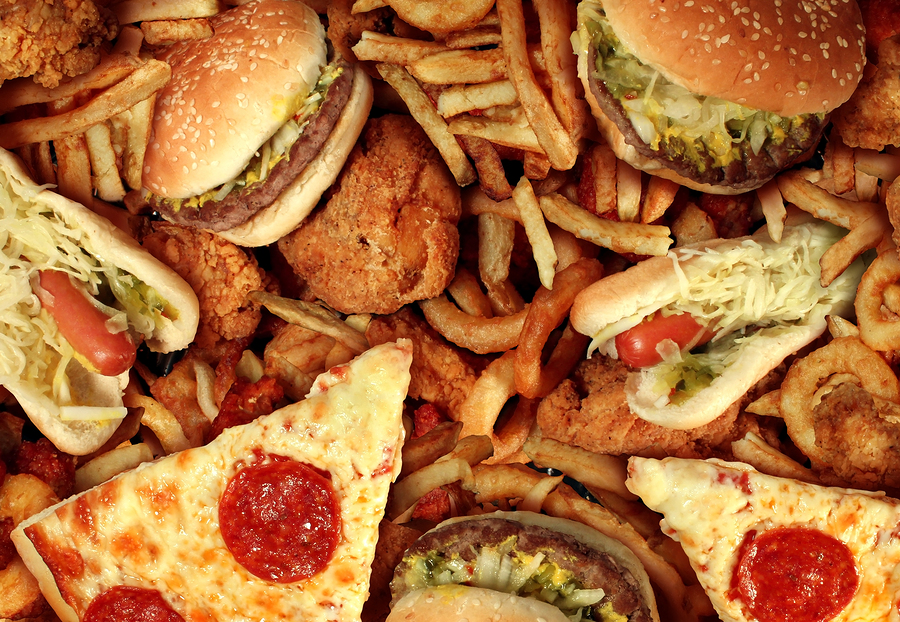 Early in the 20th century, trans fats were found mainly in solid margarines and vegetable shortening. As food makers learned new ways to use partially hydrogenated vegetable oils, they began appearing in everything from commercial cookies and pastries to fast-food French fries.
Eating foods rich in trans fats increases the amount of harmful LDL cholesterol in the bloodstream and reduces the amount of beneficial HDL cholesterol. Trans fats create inflammation, which is linked to heart disease, stroke, diabetes, and other chronic conditions. They contribute to insulin resistance, which increases the risk of developing type 2 diabetes. Even small amounts of trans fats can harm health: for every 2% of calories from trans fat consumed daily, the risk of heart disease rises by 23%.
Trans fats have no known health benefits and that there is no safe level of consumption. Today, these mainly man-made fats are rapidly fading from the food supply.
In-between fats
Saturated fats are common in the American diet. They are solid at room temperature — think cooled bacon grease, but what is saturated fat? Common sources of saturated fat include red meat, whole milk and other whole-milk dairy foods, cheese, coconut oil, and many commercially prepared baked goods and other foods.
The word "saturated" here refers to the number of hydrogen atoms surrounding each carbon atom. The chain of carbon atoms holds as many hydrogen atoms as possible — it's saturated with hydrogens.
Is saturated fat bad for you? A diet rich in saturated fats can drive up total cholesterol, and tip the balance toward more harmful LDL cholesterol, which prompts blockages to form in arteries in the heart and elsewhere in the body. For that reason, most nutrition experts recommend limiting saturated fat to under 10% of calories a day.
A handful of recent reports have muddied the link between saturated fat and heart disease. One meta-analysis of 21 studies said that there was not enough evidence to conclude that saturated fat increases the risk of heart disease, but that replacing saturated fat with polyunsaturated fat may indeed reduce risk of heart disease.
Two other major studies narrowed the prescription slightly, concluding that replacing saturated fat with polyunsaturated fats like vegetable oils or high-fiber carbohydrates is the best bet for reducing the risk of heart disease, but replacing saturated fat with highly processed carbohydrates could do the opposite.
Good fat
Good fats come mainly from vegetables, nuts, seeds, and fish. They differ from saturated fats by having fewer hydrogen atoms bonded to their carbon chains. Healthy fats are liquid at room temperature, not solid. There are two broad categories of beneficial fats: monounsaturated and polyunsaturated fats.
Monounsaturated fats. When you dip your bread in olive oil at an Italian restaurant, you're getting mostly monounsaturated fat. Monounsaturated fats have a single carbon-to-carbon double bond. The result is that it has two fewer hydrogen atoms than a saturated fat and a bend at the double bond. This structure keeps monounsaturated fats liquid at room temperature.
Good sources of monounsaturated fats are olive oil, peanut oil, canola oil, avocados, and most nuts, as well as high-oleic safflower and sunflower oils.
The discovery that monounsaturated fat could be healthful came from the Seven Countries Study during the 1960s. It revealed that people in Greece and other parts of the Mediterranean region enjoyed a low rate of heart disease despite a high-fat diet. The main fat in their diet, though, was not the saturated animal fat common in countries with higher rates of heart disease. It was olive oil, which contains mainly monounsaturated fat. This finding produced a surge of interest in olive oil and the "Mediterranean diet," a style of eating regarded as a healthful choice today.
Although there's no recommended daily intake of monounsaturated fats, the Institute of Medicine recommends using them as much as possible along with polyunsaturated fats to replace saturated and trans fats.
Polyunsaturated fats. When you pour liquid cooking oil into a pan, there's a good chance you're using polyunsaturated fat. Corn oil, sunflower oil, and safflower oil are common examples. Polyunsaturated fats are essential fats. That means they're required for normal body functions but your body can't make them. So you must get them from food. Polyunsaturated fats are used to build cell membranes and the covering of nerves. They are needed for blood clotting, muscle movement, and inflammation.
A polyunsaturated fat has two or more double bonds in its carbon chain. There are two main types of polyunsaturated fats: omega-3 fatty acids and omega-6 fatty acids. The numbers refer to the distance between the beginning of the carbon chain and the first double bond. Both types offer health benefits.
Eating polyunsaturated fats in place of saturated fats or highly refined carbohydrates reduces harmful LDL cholesterol and improves the cholesterol profile. It also lowers triglycerides.
Good sources of omega-3 fatty acids include fatty fish such as salmon, mackerel, and sardines, flaxseeds, walnuts, canola oil, and unhydrogenated soybean oil.
Omega-3 fatty acids may help prevent and even treat heart disease and stroke. In addition to reducing blood pressure, raising HDL, and lowering triglycerides, polyunsaturated fats may help prevent lethal heart rhythms from arising. Evidence also suggests they may help reduce the need for corticosteroid medications in people with rheumatoid arthritis. Studies linking omega-3s to a wide range of other health improvements, including reducing risk of dementia, are inconclusive, and some of them have major flaws, according to a systematic review of the evidence by the Agency for Healthcare Research and Quality.
Omega-6 fatty acids have also been linked to protection against heart disease. Foods rich in linoleic acid and other omega-6 fatty acids include vegetable oils such as safflower, soybean, sunflower, walnut, and corn oils.
Source: Click
Subscribe to:
Posts (Atom)